
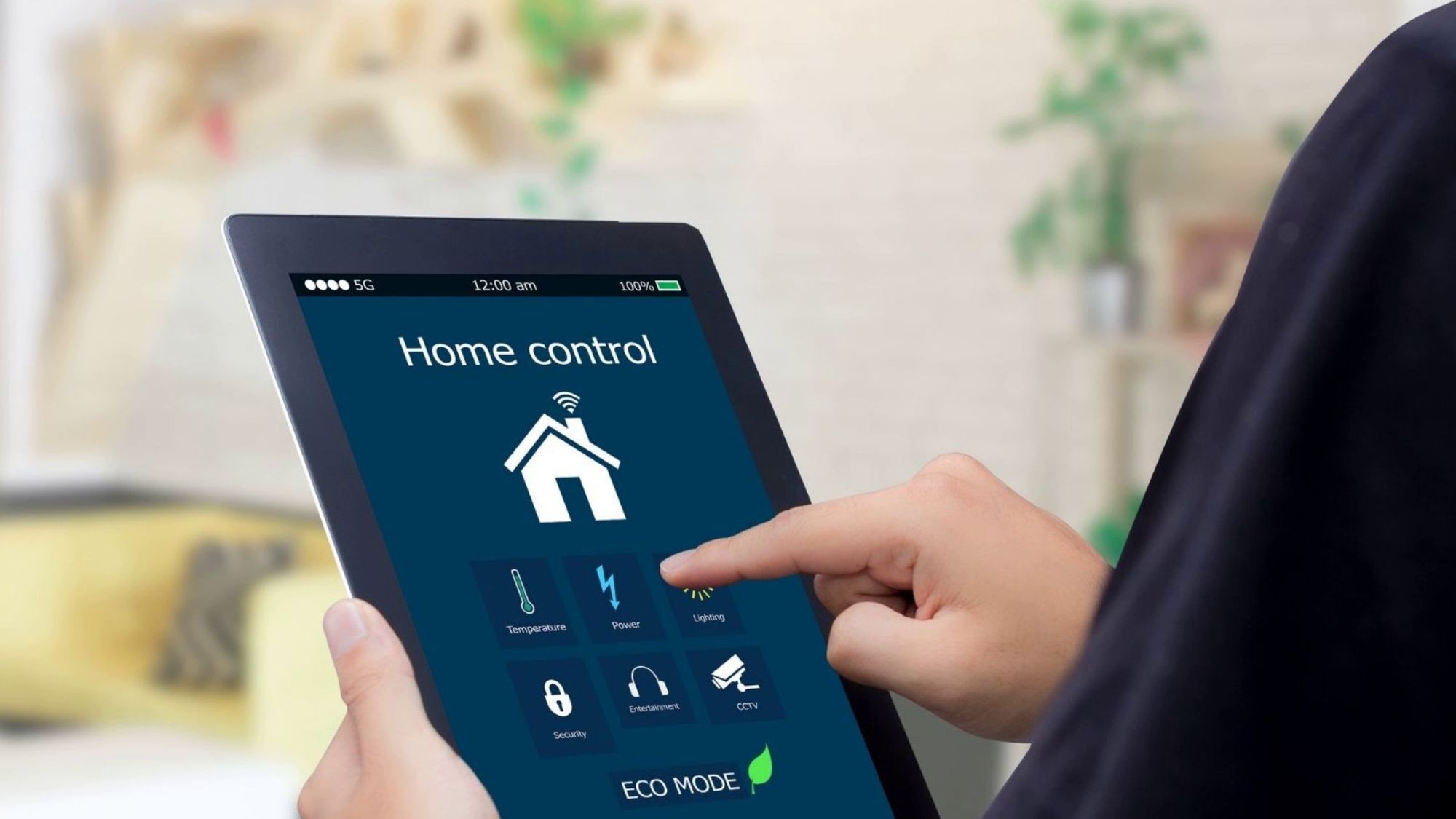
An empty warehouse at midnight generates a different set of risks than a bustling retail storefront at noon. The best alarm system for a commercial space is a monitored, multi-layered hybrid setup that integrates intrusion detection with access control and environmental sensors. Businesses require systems that use dual-path communication to ensure signals reach dispatch centres even if a phone line is cut or the internet fails. Commercial-grade hardware differs from residential kits because it must handle higher traffic volumes and more complex entry points. Professional alarm installation in Mississauga focuses on these robust, scalable solutions that protect physical assets while managing employee movement through partitioned zones.
Why Monitored Systems Outperform Local Alarms
Local alarms simply make noise. Sirens might scare off a casual trespasser, but they rely on a passerby to call the police. Commercial properties often sit in isolated industrial parks where a siren might go unheard for hours. Monitored systems connect the building to a central station that operates 24 hours a day. Operators verify the threat and dispatch emergency services immediately. This rapid response minimizes the time a thief has to navigate the premises. Professional monitoring also includes "stay-alive" signals that check the system’s health every few minutes. A system that cannot talk to its home base is just a plastic box on the wall. Reliability depends on this constant, invisible tether to professional responders.
Hybrid Wireless and Wired Infrastructure
Hardwired sensors offer the highest level of stability for permanent fixtures like warehouse bay doors or main entrances. Wires are immune to signal interference and do not require battery changes every few years. Large commercial layouts often make running wires to every single window cost-prohibitive. Hybrid systems allow for wired backbones in high-security areas while using encrypted wireless sensors for hard-to-reach spots. Modern wireless technology uses spread-spectrum signals to prevent "jamming" by tech-savvy intruders. This flexibility ensures that the security footprint can grow as the business expands. Technicians often recommend wiring the most critical points and using wireless components for interior office doors or motion detectors.
Partitioning for Multi-Tenant and Large Offices
Large buildings rarely operate on a single schedule. A warehouse might open at 5:00 AM while the administrative offices stay closed until 9:00 AM. Partitioning allows the alarm system to be split into several independent areas. Staff can disarm the loading dock zone while the server room and front office remain fully protected. This granular control prevents internal theft and accidental triggers. Each employee receives a unique code that only works for their specific area. Detailed logs show exactly who entered which room and at what time. Cloud-based management tools allow business owners to change these permissions instantly from a smartphone. Remote access removes the need to drive back to the office just to let a delivery driver inside.
Environmental and Life Safety Sensors
Commercial security is not just about stopping intruders. Water leaks, freezing temperatures, and carbon monoxide can destroy inventory and hardware faster than a burglary. Integrated systems include moisture sensors in server rooms to detect a leaking pipe before it shorts out expensive equipment. Temperature sensors alert the owner if a walk-in freezer fails, saving thousands of dollars in spoiled stock. Connecting these to the main alarm panel ensures that the same 24-hour monitoring team handles every type of crisis. Combining fire and burglary protection into one interface simplifies training for employees. One keypad controls the entire building's safety profile, making the daily routine straightforward and secure.
Which Sensors Provide the Best Commercial Protection?
Standard door contacts are just the beginning of a secure perimeter. Glass break detectors use acoustic microphones to listen for the specific frequency of shattering tempered glass. These are vital for storefronts with large display windows. Dual-technology motion sensors combine infrared and microwave detection to reduce false alarms. Both technologies must trigger at once for the alarm to sound, preventing a gust of warm air from a heater from causing a police dispatch. Vibration sensors attached to safes or heavy machinery detect drilling or prying before a breach occurs. Selecting the right sensor for each specific environment prevents the system from becoming a nuisance while maintaining a tight security net.
- Motion Detectors: These use two different methods to confirm movement, virtually eliminating false triggers from temperature changes.
- Glass Break Sensors: These protect large spans of glass without needing a sensor on every individual pane.
- Panic Buttons: Silent triggers placed under reception desks or in manager offices provide immediate help during a daytime emergency.
How Does Access Control Enhance System Security?
Keys are a liability in a professional setting. They are easy to copy and expensive to replace when an employee leaves the company. Access control systems replace metal keys with encrypted fobs, mobile credentials, or biometric scans. Integrating this with the alarm system means the building can automatically disarm when the first authorized manager swipes their badge in the morning. If an employee is terminated, their access is revoked with a few clicks. There is no need to re-key the entire building. This integration provides a complete audit trail of every door movement. A professional alarm installer in Mississauga designs these systems to act as both a lock and a digital witness.
- Audit Trails: Every entry and exit is recorded, providing a clear history of building usage.
- Time-Based Access: Doors can be programmed to lock and unlock automatically during business hours.
- Remote Lockdown: Owners can secure every door in the building instantly in the event of an external threat.
- Credential Management: Digital keys cannot be easily duplicated, ensuring only authorized personnel have access to sensitive zones.
Conclusion
Protecting a business requires more than just installing hardware; it demands a strategic look at how people and threats move through a space. Clever Cabling provides the technical expertise to design and implement these sophisticated commercial protections. Their team focuses on creating a seamless link between hardware and monitoring services. Every project involves a thorough assessment of the property to ensure no weak points remain. Reliable alarm systems give business owners the freedom to focus on their operations without worrying about what happens after hours. Clever Cabling handles the complexities of the setup so that the final product is intuitive and dependable. Expert alarm installation in Mississauga ensures that every commercial space, regardless of size, receives the specialized attention required to stay secure. Selecting the right partner for this task is the final piece of a complete security strategy.