
Choosing a high-speed internet connection decides how well your local firm stays ahead of the competition today. Small businesses need fiber optic networks sooner than they think because traditional copper wires can no longer keep up with modern cloud applications, multi-line video calls, and large data backups that happen all at once. Waiting too long to upgrade causes daily slowdowns, drops communication quality, and harms customer service. Securing a professional fiber optic installation in Richmond Hill guarantees that your workplace gains symmetrical speeds and a perfectly stable link to handle today's heavy digital workloads.
Internet speed impacts your daily workplace operations much more than most owners realize. Every employee connects a phone, a computer, and maybe a tablet to your local router. Cloud storage platforms sync files constantly in the background. Slow data lines drain workplace output and create endless frustration for staff members. Moving your office onto light-based data transmission fixes these performance blocks before they hurt your customer relationships.
The Limits of Older Internet Technology
Traditional cable and DSL connections use copper wires to move data across town. Electrical signals degrade quickly as they travel over long distances through the streets. Copper setups also suffer from major signal drops during peak business hours when everyone in your neighbourhood goes online. Your neighbour's heavy downloads can slow down your credit card terminals and your VoIP phones.
Symmetrical speed represents the largest difference between old copper lines and new fiber lines. Cable internet gives you fast download speeds but very slow upload speeds. Slow upload speeds make sending large files to clients take a very long time. Video conferencing clips out and sounds choppy when your upload pipe gets full. Fiber optic lines fix this issue because they send data up and down at the exact same high rate.
Clear Operational Advantages for Growing Teams
- Symmetrical Speeds: Uploading files occurs just as fast as downloading data to save valuable time.
- Lower Latency: Online tools respond instantly with zero lag during critical client calls.
- Higher Bandwidth: Multiple users stream video and back up databases simultaneously without any slowdowns.
- Weather Resistance: Light signals ignore rain, extreme cold, and electrical interference completely.
Supporting Cloud Software and Daily Backups
Modern workplaces operate almost entirely inside web browsers and cloud portals today. Accounting software, customer trackers, and inventory tools live on remote servers. Constant access to these web tools requires a link that never drops out. A single internet outage can stop your entire team from doing any work for hours.
Automated backup systems also require a massive amount of data space every evening. Security cameras record high-definition video that uploads straight to cloud storage. Thinner copper wires choke on these massive data files and slow down your other office tools. Light-based cables carry vast amounts of information smoothly so your security feeds remain clear and continuous.
Powering Modern VoIP Communication Systems
Desk phones run on internet lines now instead of old telephone wires. Voice over Internet Protocol (VoIP) systems turn your speech into data packets. These voice packets must arrive at their destination in perfect order to sound natural. Jitter and packet loss on copper lines cause dropped words and weird metallic echoes.
Clients expect clear audio when they call your office for support or sales. Dropping a call due to poor internet makes your local firm look unprofessional. Glass cables transmit voice data flawlessly across thousands of kilometres in milliseconds. Your team can handle dozens of client calls at the same time with crisp audio quality.
Professional Deployment Standards for Local Offices
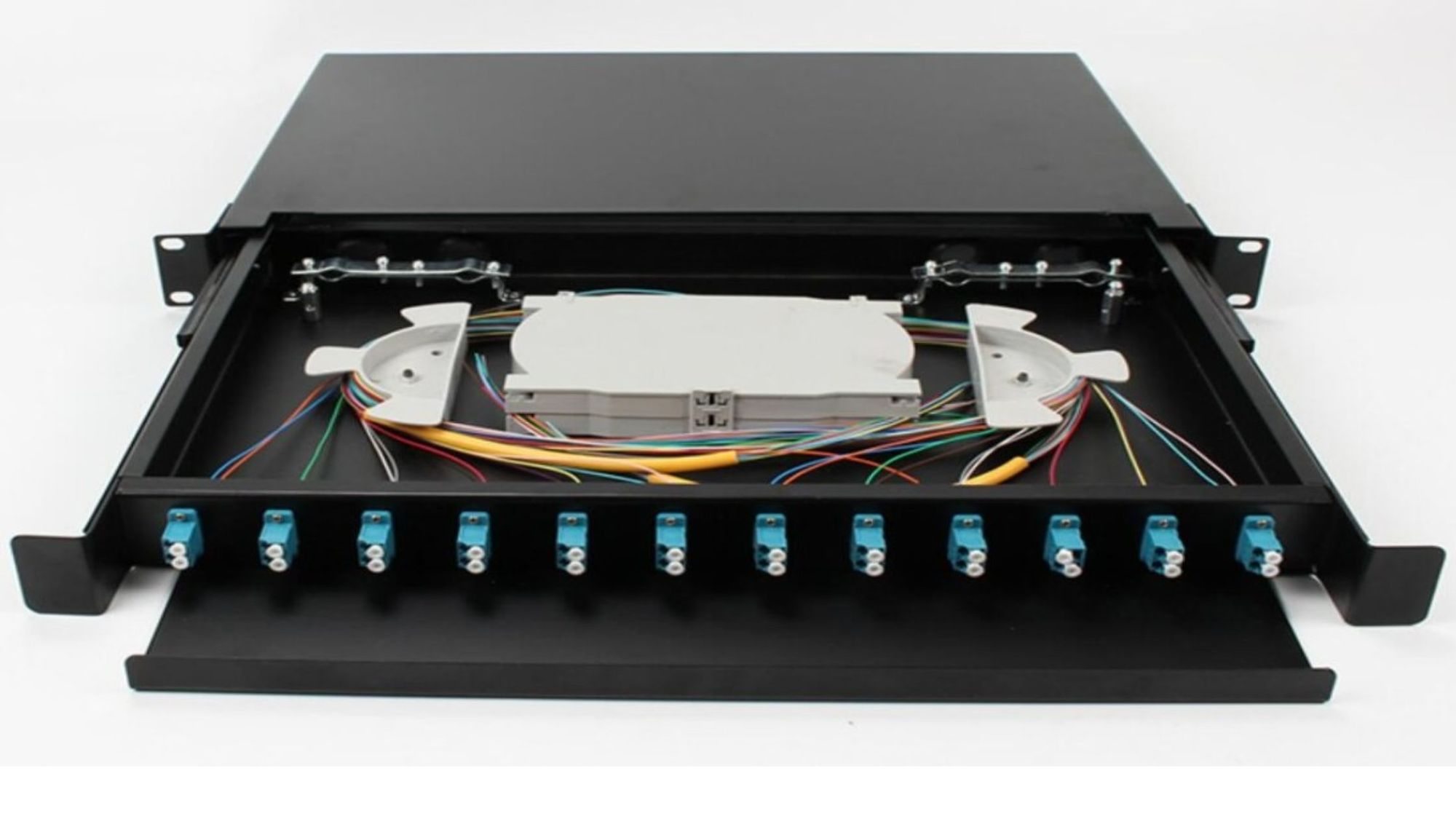
Successful network setup requires precision engineering and specialized termination tools. Data signals travel via light beams, so technicians must fuse glass strands together perfectly. Certified teams follow strict local building codes and telecommunications regulations to ensure optimal performance. During a fiber optic installation in Richmond Hill, installers verify every connection point using digital light meters before completing the project.
Local conditions in York Region require specific installation skills. Commercial business plazas feature diverse architectural designs, from older brick units to brand-new glass complexes. Experienced technicians route cables carefully through ceiling spaces and protective conduits. Proper labelling and organized patch racks make future updates easy for your internal staff.
Making the Right Technology Choice
Analyze your current data usage habits and your growth plans for the next five years. A small law firm or retail boutique might feel safe with a basic cable plan today. A growing dental clinic, an engineering firm, or a digital marketing agency will outgrow that space fast. Calculating your total number of connected devices helps determine your exact bandwidth needs.
Budget limits always affect technical decisions in a small business. Balancing the starting deployment costs against daily output gains brings the best financial results. Choosing an experienced local specialist keeps your installation project moving forward safely and on budget.
Partnering for a Strong Digital Base
Network infrastructure is one of the most important investments a business can make. A professionally completed fiber optic cable installation provides the capacity and reliability needed to keep teams connected and operations running smoothly. When installed correctly, fibre networks can support growing data demands while reducing future performance concerns.
Clever Cabling helps businesses build strong communication systems through careful installation practices and comprehensive network testing. Their team focuses on delivering practical solutions that work efficiently today while remaining flexible for tomorrow's requirements. The goal is simple: create a network that businesses can rely on every day without interruption.